
What is Hydrolocked Engine and How to Fix It?
Posted on August 21, 2025

Your car’s engine is built to handle fuel, air, and oil - but not water. When water sneaks into places it shouldn’t, especially the engine cylinders, it can lead to a serious issue known as a hydrolocked engine.
This happens when water enters through the air intake or filter, often during heavy rain or floods, and prevents the pistons from moving properly. Since water doesn’t compress like air, it can cause the engine to stall instantly and even damage internal parts.
So, what should you do if your engine gets hydrolocked? Don’t worry, we’re here to help you understand this frustrating situation. In this blog post, we’ll explain what causes a hydrolocked engine, how to fix it (if it’s possible), and most importantly, how to keep it from happening in the first place.
What Is a Hydrolocked Engine?
A hydrolocked engine happens when a liquid (usually water, but sometimes coolant or oil) gets inside the engine’s combustion chamber. Unlike air, liquids can’t be compressed. So, when the pistons try to complete their normal up-and-down motion, they hit the liquid and suddenly stop.
This can cause the engine to stall on the spot or, in more severe cases, lead to major internal damage like bent connecting rods, cracked pistons, or even a destroyed engine block.
Hydrolocking usually occurs when a vehicle drives through deep water and water is sucked into the air intake. However, it can also happen due to mechanical issues like a blown head gasket or a failed turbocharger, allowing coolant or oil to leak into the cylinder.
No matter the cause, a hydrolocked engine is a serious issue that needs immediate inspection and repair to prevent long-term damage.
Symptoms of a Hydrolocked Engine
A hydrolocked engine doesn’t always come with warning lights, but it definitely shows some clear signs when things go wrong. Recognizing these symptoms early can help prevent further damage and save you from costly repairs.
1. Engine Doesn’t Turn Over
When you turn the key or press the start button and nothing happens (except maybe a faint clicking sound) it could mean the pistons are jammed due to trapped liquid. Since water doesn’t compress, the engine physically can’t complete its cycle, leaving it stuck and unresponsive.
2. Sudden Engine Stall
If your car suddenly shuts off right after driving through deep water, it’s a strong sign of hydrolock. The moment water enters the cylinders, the engine seizes almost instantly. This abrupt stall can happen without warning and often leaves the car completely disabled.
3. Engine Won’t Start
Trying to start a hydrolocked engine typically results in failure. The starter may engage, but the engine itself won’t crank or fire up. In some cases, repeated attempts to start the engine can make the situation worse, potentially causing internal damage.
4. Crashing or Knocking Noises
If the engine does attempt to turn over, you might hear loud knocking or clunking sounds. That’s the pistons and rods struggling against the incompressible liquid. These sounds are never a good sign and usually indicate that internal damage has already begun.
Effects of Hydrolock Engine
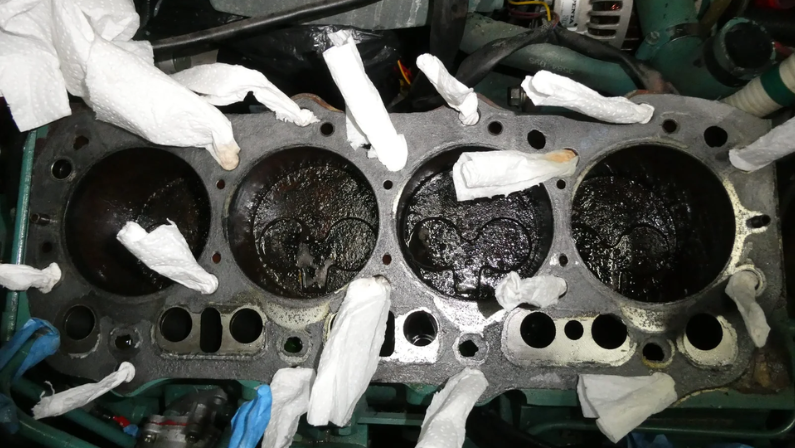
Hydrolock isn’t just a temporary inconvenience; it can lead to serious mechanical damage inside your engine. When water enters the combustion chamber, the internal parts designed to handle air and fuel are suddenly forced to deal with an incompressible liquid. The results can be severe and expensive.
1. Broken Connecting Rod
One of the most common and damaging effects of hydrolock is a broken connecting rod. These rods connect the pistons to the crankshaft, and when they’re suddenly stopped by water during combustion, they can bend or snap entirely. A broken rod can punch through the engine block, leading to catastrophic engine failure.
2. Damaged Crankshaft
If the connecting rods take damage, the crankshaft usually doesn’t get away unscathed. The force of the sudden stop can twist or crack the crankshaft, which plays a vital role in the engine’s ability to convert motion into power.
Repairing or replacing a damaged crankshaft is no small job and often requires a complete engine rebuild.
3. Worn-Out Bearings
Even if the major components survive, hydrolock puts excessive stress on engine bearings. These tiny but essential parts help reduce friction between moving engine parts.
When a hydrolock happens, the added pressure can crush or wear them out quickly, leading to poor performance, oil pressure issues, and eventual engine failure if left untreated.
Common Causes of a Hydrolocked Engine
A hydrolocked engine can catch drivers off guard, but it usually happens for a few specific reasons. Whether caused by external elements like water or internal failures like fluid leaks, these situations all lead to the same dangerous outcome - liquid entering the combustion chamber.
Here are the most common culprits:
1. Driving Through Deep Water
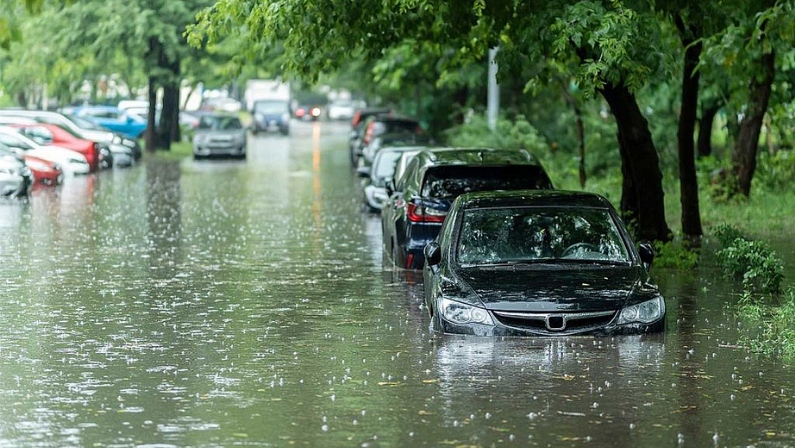
One of the leading causes of hydrolock is driving through deep water, especially during floods or heavy rain. If water enters the air intake system while the engine is running, it can be sucked directly into the cylinders, stopping the engine instantly.
2. Improperly Sealed Air Intake or Filter
A poorly sealed air intake or filter allows moisture to sneak into the engine, especially in wet or humid conditions. Even light water exposure over time can build up and lead to hydrolock, particularly if the vehicle is exposed to a lot of splashes or off-road driving.
3. Blown Head Gasket
A blown head gasket is another common internal cause. When the gasket fails, coolant or oil can leak into the combustion chamber. This type of hydrolock may happen more gradually, but it still puts your engine at serious risk if not repaired promptly.
4. Cracked Engine Block or Cylinder Head
Cracks in the engine block or cylinder head allow fluids like coolant to leak internally. These cracks can result from overheating or engine stress and often lead to hydrolock if enough fluid enters the combustion space.
5. Fuel Injector Leaks
While less common, a leaking fuel injector can flood the combustion chamber with fuel when the engine is off. If you try to start the engine with excess fuel inside, it can cause a hydrolock-like effect, damaging internal components just like water or coolant would.
How to Fix a Hydrolocked Engine
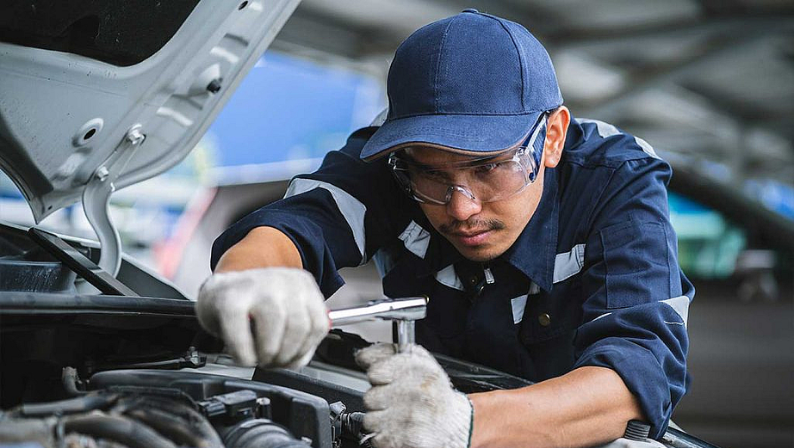
Fixing a hydrolocked engine depends on the severity of the damage, but it’s crucial to act quickly and correctly to avoid further damage. Whether water has just entered the cylinders or serious internal damage has occurred, the repair process involves several key steps.
Here's what typically needs to be done:
1. Don’t Restart the Engine
If you suspect your engine is hydrolocked, do not attempt to start it again. Trying to crank the engine while it’s filled with liquid can cause major internal damage, including bent rods, cracked pistons, or a destroyed engine block.
2. Move the Vehicle to a Safe Spot
If the engine stalls in water or unsafe conditions, push or tow the vehicle to a dry, secure area before beginning any inspection or repair work.
3. Disconnect the Battery for Safety
Before touching anything under the hood, disconnect the battery. This prevents accidental electrical contact and keeps you safe while working around the engine.
4. Inspect the Air Intake and Filter
Check the air intake system and filter for signs of water or debris. If water made it in through the intake, there’s a good chance it will reach the cylinders. Replace any wet or damaged air filters right away.
5. Remove Water from the Cylinders
The spark plugs or injectors need to be removed so the trapped liquid can be drained or expelled. In some cases, manually turning the engine over can help push out the water, but this should only be done if no major damage is present.
6. Disassemble the Engine for Inspection
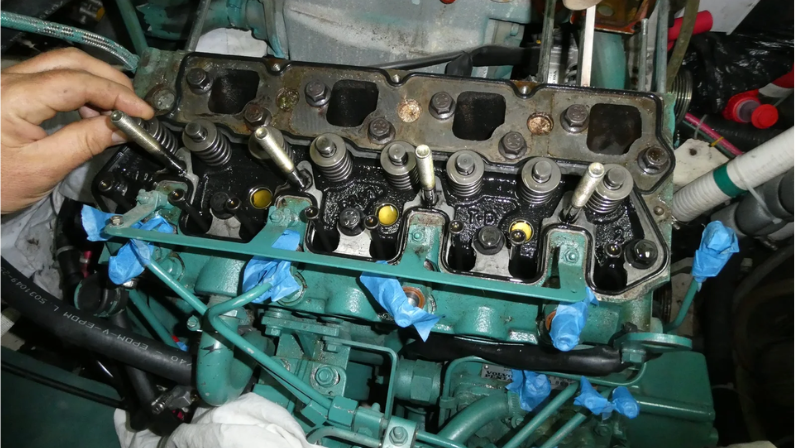
If there's a chance of internal damage occurring, the engine will need to be partially or fully disassembled. This allows a mechanic to inspect key components like pistons, rods, valves, and the crankshaft for cracks, bends, or breaks.
7. Replace Damaged Internal Parts
Any bent connecting rods, cracked pistons, or damaged bearings must be replaced. Depending on the extent of the damage, this step could involve major engine repairs or a full engine rebuild.
8. Perform Cylinder Pressure Testing
Once repairs are done, cylinder pressure testing ensures everything is properly sealed and functioning. This step confirms that the combustion chamber is in good shape and no leaks remain.
9. Refill and Replace Engine Fluids
Lastly, drain and replace all contaminated fluids: engine oil, coolant, and possibly transmission fluid. Water in these systems can lead to rust, corrosion, and poor performance if not flushed out completely.
Repairing a hydrolocked engine can be complicated and expensive, but acting quickly and following the right steps can help minimize the damage and get your vehicle back on the road.
How To Avoid a Hydrolocked Engine
While a hydrolocked engine can be a costly and stressful problem, the good news is that it’s often preventable. By taking some simple precautions and maintaining awareness of your driving environment and vehicle condition, you can significantly reduce the risk.
Here are some practical ways to avoid hydrolock:
1. Avoid Driving Through Deep Water
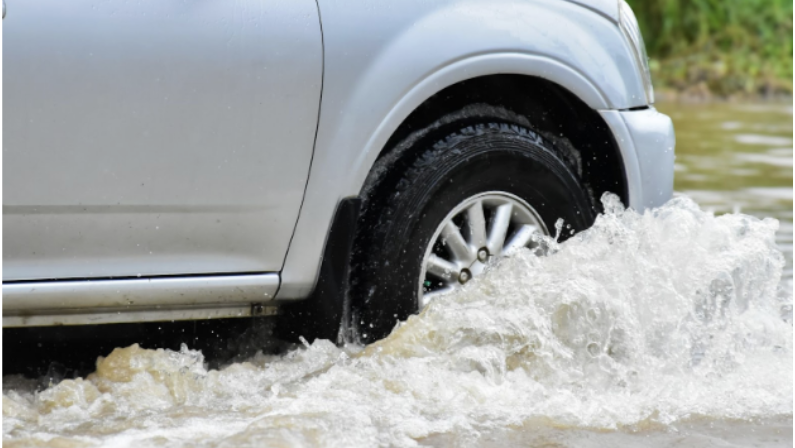
Flooded roads are one of the most common causes of hydrolock. If you’re unsure about the depth of the water, it’s better not to drive through it at all. Even water that appears shallow can be deep enough to get sucked into your engine’s air intake, especially at higher speeds.
2. Don’t Park Outside During Heavy Rain
Leaving your car exposed during heavy rainfall can allow water to pool near the intake or leak into vulnerable areas. If possible, park in a garage or under a covered area during storms to prevent water exposure.
3. Avoid Jetting Water into the Air Filter
When washing your engine bay, never spray high-pressure water near the air intake or filter. Doing so can force water into the engine system, potentially leading to hydrolock even without flooding or rain.
4. Keep Up with Regular Maintenance
Routine maintenance can help detect issues like worn gaskets, loose intake seals, or clogged drainage systems, all of which can increase your engine’s risk of hydrolock. Make sure to inspect and replace critical parts before they fail.
5. Be Mindful of Modifications
Aftermarket air intake systems or lowered vehicles may increase exposure to water. If your car has modifications, be aware of how they affect your vehicle’s ability to handle rain or water splashes. Some performance upgrades sacrifice protection for airflow, which can leave your engine more vulnerable.

Trust CarHub North York Chrysler to Fix Your Hydrolocked Engine and Other Engine Issues
A hydrolocked engine is a serious issue, but with the right knowledge and quick action, it’s possible to limit the damage or even avoid it altogether. From recognizing the early symptoms to knowing what steps to take if it happens, being prepared can save you time, stress, and expensive repairs down the road.
If you think your engine may be hydrolocked or you just want to keep your vehicle in top shape, the expert technicians at CarHub are here to help. Book your CarHub Maintenance Service today for professional inspections, repairs, and peace of mind—because your engine deserves the best care.