
Predictive Maintenance in Automobile: How Does it Change the Way You Work on Cars?
Posted on December 19, 2025
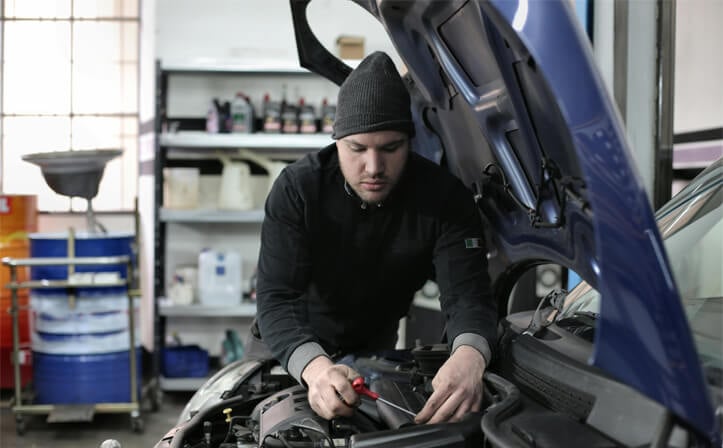
Cars are getting smarter, and so is the way we maintain them. Predictive maintenance is transforming the automotive world by using data, sensors, and analytics to anticipate problems before they become costly repairs.
Instead of waiting for a breakdown or relying solely on routine checkups, predictive maintenance technology gives mechanics and car owners a heads-up, making car care more efficient, safer, and less stressful.
This shift isn’t just about saving money; it’s changing how we think about vehicle upkeep. From garages to fleet managers, everyone is benefiting from technology that predicts engine issues, brake wear, or battery failures before they happen.
In this blog, we’ll explore how predictive maintenance works, why it matters, and how it’s revolutionizing the way we work on cars today.
Understanding Predictive Maintenance
Predictive maintenance is changing the way we take care of cars. Instead of waiting for something to break or sticking to a strict schedule, this approach uses smart technologies like artificial intelligence, machine learning, and the Internet of Things (IoT) to spot potential problems before they happen.
By predicting issues early, predictive maintenance helps reduce unexpected breakdowns, keeps vehicles running smoothly, and can even extend their lifespan. It’s a smarter, more efficient way to maintain cars that saves time, money, and stress for both drivers and mechanics.
Breakdown of Technologies that Enable Predictive Maintenance
Predictive maintenance relies on several advanced technologies working together to keep vehicles in top condition. Understanding these technologies helps reveal why this approach is so effective.
1. Artificial Intelligence
AI powers the ability to predict potential failures by learning from patterns in vehicle performance. It can identify warning signs that humans might miss, helping mechanics address issues before they become serious problems.
2. Internet of Things
IoT connects vehicles with sensors that continuously monitor engine health, temperature, tire pressure, and more. These sensors collect real-time data, providing the foundation for accurate predictions.
3. Data Analytics
Data analytics examines the information collected from IoT devices and other sources to uncover trends and detect anomalies. This analysis helps pinpoint components that may need maintenance soon.
4. Telematics
Telematics systems track vehicle location, speed, and usage patterns. Combined with other data, telematics provides insights into how driving behavior affects wear and tear, helping schedule maintenance more precisely.
5. Cloud Computing
Cloud computing allows all this data to be stored and processed efficiently. Mechanics and fleet managers can access insights from anywhere, making predictive maintenance scalable and practical for multiple vehicles.
6. Big Data
Big data refers to the massive volumes of information collected from sensors, telematics, and service records. Advanced algorithms analyze this data to improve prediction accuracy and optimize maintenance schedules, reducing unexpected breakdowns.
How Does Predictive Maintenance Work

Predictive maintenance solutions rely on a smart network of sensors and data tools to keep cars running smoothly. These sensors constantly monitor key vehicle components, tracking everything from engine performance to tire pressure in real time.
The data collected is then analyzed and compared to historical patterns. If something looks unusual, predictive maintenance algorithms flag it as a potential problem.
This early warning system helps drivers and mechanics address issues before they turn into costly repairs, making vehicle maintenance more efficient and reliable.
Key Steps in Creating a Predictive Maintenance Solution
Building an effective predictive maintenance solution requires a series of structured steps, from collecting the right data to continuously improving the system. Each stage plays a crucial role in ensuring accurate predictions and reliable vehicle maintenance.
1. Data Collection
The first step is gathering relevant data from multiple sources such as sensors, vehicle diagnostics, telemetry, and maintenance logs. This includes information on engine temperature, fuel consumption, mileage, tire pressure, and more.
Telematics systems provide real-time data on vehicle location, speed, and usage patterns, while historical maintenance records track repairs and part replacements.
2. Data Preprocessing
Once collected, the data needs to be cleaned and organized. Preprocessing removes errors or outliers, handles missing values, and converts data into a format suitable for analysis. This ensures the models are built on accurate and reliable information.
3. Feature Engineering
Next, important features or variables are selected to represent the vehicle’s health and performance. Features like engine vibration, temperature, fuel consumption, and mileage are analyzed for their correlation with potential failures. These features are then transformed or scaled to make them suitable for machine learning models.
4. Model Development
Machine learning algorithms such as regression, decision trees, random forests, or neural networks are applied to the selected features. These models learn patterns from historical data to predict when and where vehicle failures might occur.
5. Model Training and Validation
The models are trained using historical data and validated to ensure accuracy. This involves splitting the data into training and testing sets, evaluating performance metrics, and fine-tuning the models to improve prediction reliability.
6. Deployment and Monitoring
After validation, the models are deployed into the predictive maintenance system. Real-time data from sensors and telematics is continuously monitored, detecting anomalies and patterns. Alerts are generated for maintenance teams whenever a potential issue is identified, allowing proactive intervention.
7. Continuous Improvement
Finally, the system is continually updated and improved. Feedback, new data, and performance monitoring help refine the models and algorithms over time, making the predictive maintenance solution increasingly accurate and efficient.
Most Common Problems in Deploying Predictive Maintenance Solutions
While predictive maintenance brings significant benefits to automotive maintenance, implementing these solutions comes with its own set of challenges. Understanding these hurdles can help companies plan and adopt predictive maintenance more effectively.
1. Data Quality Issues
Poor or incomplete data can lead to inaccurate predictions. Ensuring consistent, reliable data across all systems is critical but can be difficult to achieve.
2. Integration with Legacy Systems
Many automotive businesses struggle to connect new predictive maintenance tools with older maintenance management systems and databases, creating integration challenges.
3. Skill Gap
There is often a shortage of personnel with expertise in data science, machine learning, and IoT technologies needed to implement and manage predictive maintenance systems effectively.
4. Resistance to Change
Shifting from traditional maintenance methods to predictive approaches can meet resistance from staff who are accustomed to existing workflows.
5. Initial Cost
The upfront investment in sensors, data infrastructure, and analytics tools can be substantial, making some companies hesitant to adopt predictive maintenance.
6. Overcoming False Positives
Predictive models must be fine-tuned to reduce false alarms without missing real issues—a delicate balance that requires careful calibration.
7. Data Security Concerns
With increased collection and transmission of vehicle data, robust cybersecurity measures are essential to protect sensitive information, which can be complex to implement.
8. Scalability Issues
Deploying predictive maintenance across large fleets or production lines can strain systems, requiring careful management of data loads and system performance to maintain effectiveness.
7 Predictive Maintenance Benefits
Predictive maintenance offers significant advantages for automotive companies, fleet operators, and vehicle owners. By anticipating issues before they become major problems, this proactive approach improves efficiency, safety, and overall vehicle performance.
1. Reduced Downtime and Maintenance Costs
Predictive maintenance schedules repairs and servicing only when needed, reducing unnecessary work and avoiding unexpected breakdowns. This saves money on parts, labor, and operational costs while keeping vehicles on the road longer.
2. Enhanced Vehicle Safety
By detecting potential failures early, predictive maintenance helps ensure critical components like brakes, steering systems, and airbags are always in optimal condition. This reduces the risk of accidents and enhances overall vehicle safety.
3. Improved Customer Satisfaction
Fewer unexpected repairs mean more reliable vehicles for drivers. Timely maintenance and reduced inconvenience lead to higher customer satisfaction and loyalty, benefiting both manufacturers and service providers.
4. Extended Vehicle Lifespan
Early detection and proactive repairs prevent major component failures, allowing vehicles to operate efficiently for longer. This provides better value for both owners and automotive companies.
5. Data-Driven Innovation
The data collected from predictive maintenance systems offers valuable insights for engineers and designers. Analyzing this information helps improve vehicle design, optimize performance, and drive innovation in the automotive industry.
6. Compliance with Required Standards and Regulations
Predictive maintenance helps companies stay compliant with evolving laws and regulations, such as those related to vehicle safety, emissions, or electric vehicle production. Monitoring critical points ensures adherence to industry standards.
7. Easier Management of Parts and Materials
With advanced diagnostics, repairs can be planned in advance, reducing the need for excess inventory. OEMs and repair shops can manage parts and materials more efficiently, optimizing supply chains and lowering costs.
Future Trends in Predictive Maintenance
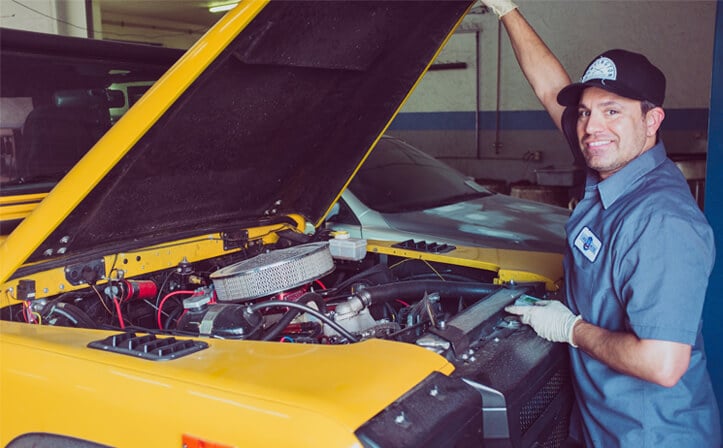
Predictive maintenance is evolving rapidly, driven by advancements in technology and changing urban landscapes. These future trends promise to make vehicle maintenance smarter, faster, and even more reliable.
1. Advanced AI Algorithms
The development of more sophisticated artificial intelligence algorithms is set to transform predictive maintenance. These AI systems can analyze vast amounts of data with greater accuracy and speed, producing highly precise predictions.
As machine learning models continue to improve, predictive systems will learn from new data, enhancing their ability to anticipate maintenance needs over time.
2. Increased Use of Edge Computing
Edge computing is becoming increasingly important in predictive maintenance. By processing data locally (either on the vehicle itself or nearby infrastructure) edge computing reduces delays and enables real-time decision-making. This allows immediate responses to potential maintenance issues, improving efficiency and service speed.
3. Integration with Smart City Infrastructure
The rise of smart cities offers new opportunities for predictive maintenance. Connected vehicles can share data with traffic systems, road sensors, and other urban technologies to optimize maintenance schedules.
For instance, information from smart roads that track vehicle stress can help predict wear and tear, leading to more accurate and timely maintenance planning.
Predictive Maintenance: The Key to Safer, Smarter, Stronger Vehicles
Predictive maintenance is reshaping the way we care for vehicles, making repairs smarter, faster, and more cost-effective. By anticipating issues before they become serious problems, it reduces downtime, improves safety, and keeps cars running longer.
Whether you’re a car owner, fleet operator, or automotive professional, embracing predictive maintenance means less stress and more reliable performance.
For hassle-free vehicle care and expert maintenance, CarHub North York offers professional services designed to keep your car in top shape. With our team and advanced tools, you can experience the benefits of smarter maintenance without guesswork.