
Fuel Injector vs Carburetor: Modern vs Traditional Systems
Posted on February 1, 2026
Boat engines have come a long way over the years, and one of the biggest changes is how fuel gets delivered to the engine. If you’ve ever heard the terms fuel injector and carburetor and wondered what the real difference is, you’re not alone.
Both systems do the same basic job (mixing fuel and air to power your boat) but they do it in very different ways, and those differences can affect performance, reliability, and maintenance.
In this blog post, we’ll break down carburetor vs EFI economy in a simple, easy-to-understand way. You’ll learn how modern fuel injection compares to traditional carburetors, why many newer boats rely on updated systems, and which option might make the most sense for your boating needs.

The Mechanical Classic: How a Carburetor Works
A carburetor is a traditional, fully mechanical fuel system that mixes air and fuel using the Venturi Effect. As air flows through a narrow passage, it creates a vacuum that naturally pulls fuel into the engine without any electronic assistance.
This makes the system passive, meaning it relies only on airflow and engine vacuum to work. Carburetors were the standard fuel delivery system in boats and vehicles until the late 1980s, before fuel injection became more common.
Because of their simple design, carburetors don’t require computers, sensors, or electronic controls. This simplicity makes them cheaper to manufacture and easier to repair, especially for owners who prefer hands-on maintenance.
While they lack the precision of modern systems, carburetors remain a practical and familiar option for older engines and classic setups.

The Precision Era: Electronic Fuel Injection (EFI)
Electronic Fuel Injection (EFI) represents a major shift from mechanical fuel systems to smart, computer-controlled performance. Instead of relying on engine vacuum to pull in fuel, EFI uses an Engine Control Unit (ECU) to manage fuel delivery with extreme accuracy.
The ECU acts as the system’s brain, constantly collecting data from multiple sensors to decide exactly how much fuel the engine needs at any given moment.
Sensors monitor key factors like air temperature, throttle position, and oxygen levels in the exhaust. Using this real-time information, the ECU calculates and sprays the precise micro-gram of fuel required for efficient combustion.
This results in smoother starts, better fuel efficiency, improved throttle response, and lower emissions. While EFI systems are more complex than carburetors, their precision and consistency make them the standard for modern engines.

Head-to-Head Comparison
From how easily an engine starts to how efficiently it burns fuel and delivers power, each system has its strengths and limitations. Below is a simple, side-by-side look at how carburetors and EFI compare in the areas that matter most to boat owners.
1. Cold Starts & Reliability
When it comes to cold starts, electronic fuel injection has a clear advantage. EFI systems automatically adjust the air–fuel mixture based on temperature, allowing the engine to start quickly and run smoothly in cold or changing conditions.
Carburetors, on the other hand, often need manual choke adjustments and can be harder to start in cold weather. While carburetors are mechanically reliable, they can be more sensitive to temperature changes and fuel quality over time.
2. Fuel Economy
EFI systems are far more efficient with fuel. By delivering only the exact amount of fuel needed, they reduce waste and improve overall fuel economy.
Carburetors mix fuel in a less precise way, which can lead to higher fuel consumption, especially during idling or variable speeds. For boat owners looking to save on fuel costs and extend range, EFI offers a noticeable advantage.
3. Performance & Tuning
Carburetors provide a hands-on tuning experience that some enthusiasts still enjoy. Adjustments are mechanical and can be made with basic tools, making them appealing to DIY users. EFI, however, delivers consistent performance across all conditions and automatically fine-tunes itself through the ECU.
While tuning EFI often requires software or professional support, it offers smoother power delivery, better throttle response, and more reliable performance overall.

Why CarHub North York Chrysler Experts Prefer EFI
Compared to older carburetor setups, electronic fuel injection allows technicians to work smarter, not harder. Here’s why EFI is the preferred choice among CarHub North York Chrysler experts.
1. Faster, Smarter Diagnostics
EFI systems are designed to work with modern diagnostic tools. By connecting a scan tool to the vehicle, technicians can instantly communicate with the ECU and see real-time data from fuel injectors and sensors. In many cases, a fuel-related issue can be identified in seconds, making troubleshooting faster and more accurate.
2. Less Guesswork, More Accuracy
Carburetor issues often require hours of manual adjustments and trial-and-error tuning. Mechanics must rely on experience and repeated testing to find the right air–fuel balance.
EFI eliminates much of this guesswork by using sensor data and computer control to deliver precise fuel amounts, resulting in quicker repairs and more consistent performance.
3. Reliable Results Every Time
Because EFI systems provide clear fault codes and live data, repairs are more predictable and reliable. This leads to fewer repeat issues and better long-term performance. For North York Chrysler experts, EFI means efficient diagnostics, accurate fixes, and confidence that the job is done right the first time.
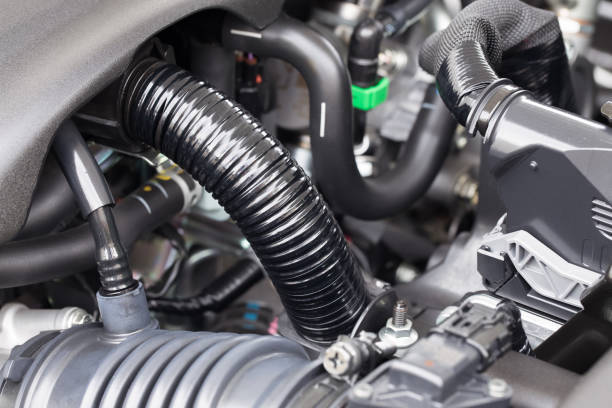
See How Modern Fuel Injection Can Save You Fuel and Improve Performance
Choosing between a carburetor and a fuel injector comes down to what matters most for your engine. Carburetors are simple, reliable, and easy to repair for older or classic engines, while electronic fuel injection offers precision, efficiency, and modern diagnostics for today’s vehicles.
Understanding the differences can help you make smarter decisions for performance, fuel economy, and long-term reliability.
At CarHub North York Chrysler, our experts can help you navigate these choices and keep your engine running at its best. Whether you’re working with a classic setup or a modern EFI system, we offer professional service, diagnostics, and support to keep you moving confidently on the road or the water.