
Why is Oil Coming Out of My Exhaust Pipe? Causes and How to Fix It
Posted on September 15, 2025
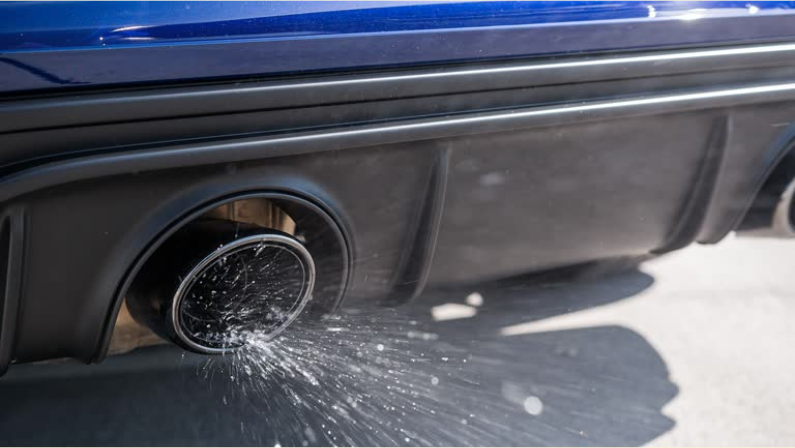
Spotting oil leaking from your exhaust pipe is never normal, and it’s always a red flag. Whether you’re seeing blue smoke, noticing oil drips from the tailpipe, or detecting burning oil smells, this symptom often points to serious internal engine issues that need immediate attention.
At CarHub North York Chrysler, we’ve diagnosed and repaired hundreds of cases like these. In this guide, we’ll explain:
- The common root causes of your oil leak
- Symptoms of an oil leak in your exhaust
- Ways to fix and prevent oil from coming out of your exhaust
If you've noticed this problem with your vehicle, you're in the right place to find the answers you need.
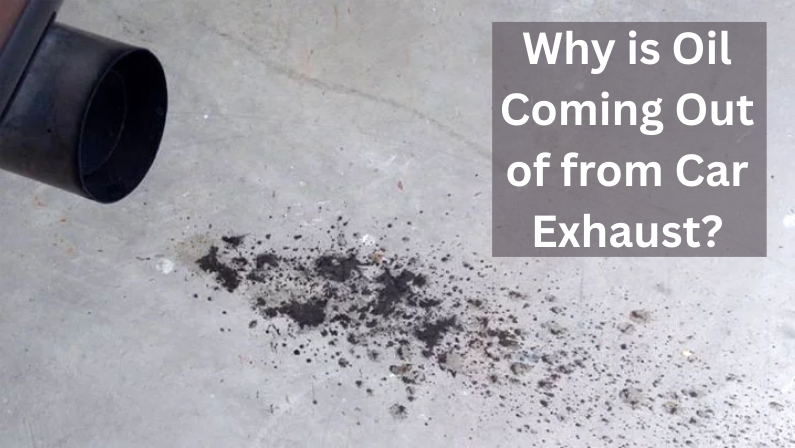
Why is Oil Coming Out of My Exhaust?
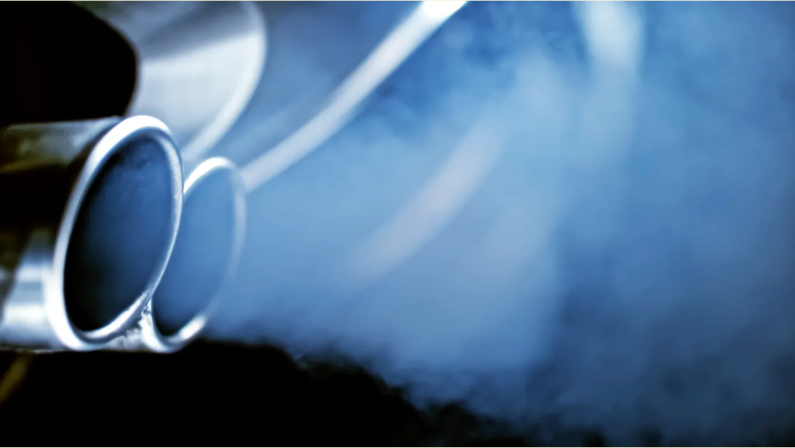
If you’ve noticed blue smoke or even oil dripping from your exhaust pipe, your engine might be signaling a serious issue. Unlike white or black smoke, blue smoke almost always indicates that oil is entering the combustion chamber and that’s not supposed to happen.
There are several reasons why this might occur, ranging from minor part failures to major engine damage. Let’s break down some of the most common causes.
1. Bad Valve Stem Seals
Valve stem seals are responsible for keeping oil from leaking into the engine’s combustion chamber, especially from the intake side.
When these seals wear out or fail, small amounts of oil can sneak past and burn, leading to that bluish smoke, particularly during startup or after long idling. Though this typically won’t result in oil literally dripping out of the exhaust, it’s still a red flag.
2. Clogged PCV System Closure Hose
The PCV (Positive Crankcase Ventilation) system is designed to release built-up pressure inside the engine. If the closure hose becomes clogged, it can force oil into the intake manifold, causing smoke and oil burning.
While not usually the cause of actual dripping oil, it’s still a critical system that needs attention to prevent further damage.
3. Piston Oil Control Ring Issues
Oil control rings are built to scrape excess oil off the cylinder walls, keeping it out of the combustion chamber.
If these rings get clogged with carbon or damaged, they can’t do their job properly, and oil will enter the chamber, burn, and exit through the exhaust. In severe cases, it can lead to visible oil leaks from the exhaust pipe.
4. Malfunctioning (Worn-Out) Turbocharger
Turbochargers run at extremely high speeds and require pressurized oil for lubrication. If the internal seals fail, pressurized oil can leak into the intake, causing burning oil and blue exhaust smoke. In extreme cases, oil may even leak through the exhaust system, especially in turbocharged vehicles.
5. Cracked Cylinder Block or Head
A crack in the engine’s cylinder head or block is a more severe and less common issue, but when it happens, it can allow oil to seep into places it shouldn’t—like the combustion chamber or exhaust system. These cracks often require engine teardown and significant repair work.
6. Blown Head Gasket
While head gaskets more commonly cause coolant leaks, a blown gasket can occasionally allow oil to enter the combustion chamber, especially if there’s an oil passage close to the combustion zone.
However, oil coming out of the exhaust because of a blown head gasket is relatively rare and usually results in external leaks instead.
Oil Leak Exhaust Symptoms
Recognizing an exhaust leak early is crucial, not just for your vehicle’s health but also for your own safety. A leak can affect everything from engine performance to fuel efficiency, and in some cases, it may even let harmful fumes enter your cabin.
Here are some of the most common symptoms to watch out for:
1. Loud Engine Noise
One of the first signs of an exhaust leak is a sudden increase in engine noise. You may hear a hissing, popping, or tapping sound (especially during acceleration), which usually means there’s a hole or crack somewhere in the exhaust system.
2. Oily Residue Around the Tailpipe
Oil collecting near or around the exhaust pipe may indicate a leak combined with internal engine issues. This can signal that oil is getting burned in the combustion chamber and not fully exiting the system as it should.
3. Blue or Gray Smoke from the Exhaust
While smoke can result from other issues, blue or gray smoke often means oil is entering the combustion process. If paired with loud sounds or residue, it may suggest a more severe exhaust or engine issue.
4. Decreased Fuel Efficiency
A leak causes the engine to work harder to maintain performance, leading to more fuel consumption. If you're refueling more often than usual, your exhaust system might be the culprit.
5. Poor Engine Performance
An exhaust leak can throw off the air-to-fuel ratio, making your engine struggle during acceleration or uphill drives. If your car feels sluggish or less responsive, it's worth checking the system.
6. Burning Smell from the Engine Bay
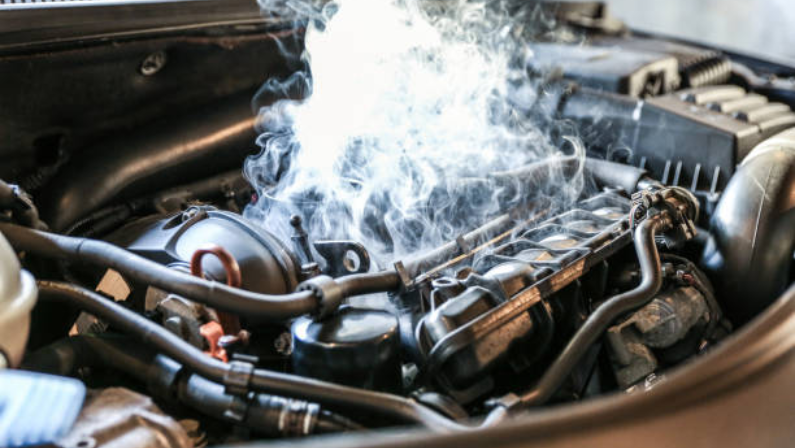
If leaking exhaust gases come into contact with plastic, wiring, or rubber parts, it can create a burning smell. In severe cases, you may even notice smoke coming from under the hood.
7. Vibrations in the Steering Wheel or Pedals
Leaks disrupt the flow of exhaust gases, which can cause odd vibrations through the steering wheel, floor, or gas pedal. These vibrations tend to worsen as the leak grows larger.
8. Check Engine Light Turns On
Your car’s sensors monitor exhaust emissions closely. If there’s a leak affecting oxygen sensor readings or emissions levels, the Check Engine light will likely come on as a warning.
9. Strong Exhaust Fumes Inside the Cabin
This is a serious safety concern. If you smell exhaust inside the car, it could mean fumes—including dangerous carbon monoxide are leaking into the cabin. Open the windows and get professional help immediately.
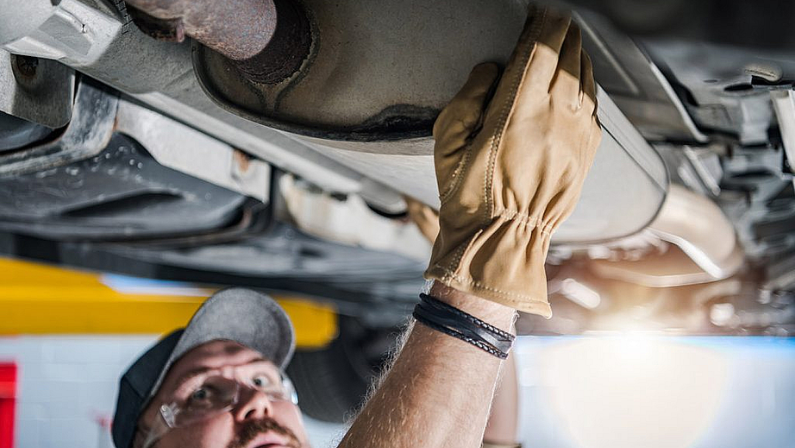
Ways to Fix Engine Oil from Coming Out of the Exhaust
Once you've identified the cause of oil leaking from your exhaust, it's essential to act quickly to prevent long-term engine damage. Some issues may be simple to resolve at home, while others may require professional inspection and repair.
Below are several practical methods you can use to diagnose and learn how to fix oil leaking into the exhaust:
1. Opt for a Leak-Down Test
A leak-down test is one of the most reliable ways to find out if your engine has internal sealing problems. This test helps pinpoint whether air (and potentially oil) is escaping past the valves, piston rings, or head gasket.
It involves removing the spark plugs, setting each cylinder to top dead center (TDC), and using a leak-down tester to pressurize the cylinder. Any hissing sound from the exhaust, intake, or crankcase will help identify the problem area, allowing for a more targeted repair approach.
2. Clean the PCV Valve
A clogged Positive Crankcase Ventilation (PCV) valve can cause crankcase pressure to build up, forcing oil into the intake manifold and eventually the exhaust. To fix this, remove the PCV valve and inspect it for clogs or debris.
Use a mild solvent, a brush, or compressed air to clean it thoroughly. If the valve remains stuck or doesn’t function after cleaning, it’s best to replace it entirely to restore proper ventilation and oil flow.
3. Remove Oil Cap
A quick check you can do is to remove the oil filler cap while the engine is running. A light puff of air from the cap is normal. However, if there's excessive air pressure or a strong fuel smell, that could indicate a blocked PCV system or internal engine issues.
4. Repair or Replace Bad Turbocharger
If your vehicle is turbocharged, the turbo system could be the source of the oil leak. To inspect it, remove the intercooler hose and check for oil buildup. Also, visually examine the intake and exhaust sides of the turbo for damaged impellers or signs of excessive oil.
Worn turbo seals or bearings can allow oil to seep into the intake stream and end up in your exhaust. If damage is visible or oil levels are abnormal, the turbocharger may need to be repaired or replaced.

How to Prevent Engine Oil from Coming Out of the Exhaust
While no car stays perfect forever, there are simple preventive steps you can take to reduce the risk of engine oil leaking into the exhaust.
These practices help keep your engine running smoothly and avoid costly damage in the long run. Even if these tips aren’t foolproof, they’re excellent habits that support your car’s overall health.
1. Check the Oil Level in the Engine on a Regular Basis
Regularly monitoring your engine oil level is a simple but crucial habit. Low oil can cause internal wear, while too much oil can increase pressure and lead to leaks. Keep it at the correct level as specified in your vehicle manual.
2. Avoid Overfilling Oil
More oil isn’t better, overfilling the oil pan can lead to excess pressure that pushes oil past seals and into the exhaust system. Always add the recommended amount and double-check with the dipstick after an oil change.
3. Avoid Rough Driving
Aggressive driving and frequent high-speed acceleration put extra stress on your engine. Over time, this can wear out internal components like seals, rings, and gaskets, increasing the risk of oil leaks. Drive smoothly whenever possible.
4. Inspect the PCV System
A clogged or damaged PCV valve can cause crankcase pressure to rise, forcing oil into the intake manifold and exhaust. Periodically inspect and clean the PCV valve or have it checked during routine service.
5. Replace Worn Components
Keep an eye out for signs of wear in engine seals, gaskets, valve stem seals, and piston rings. Replacing these components at the first sign of trouble can prevent oil from entering the combustion chamber and leaking into the exhaust.
6. Schedule Regular Maintenance
Routine checkups by a trusted mechanic help catch small issues before they turn into bigger problems. Make it a habit to service your vehicle at least twice a year, so a professional can inspect the exhaust system, PCV valve, and engine for any early warning signs.

Can You Drive with Oil Coming Out of Your Exhaust?
Technically, yes—you can drive with oil coming out of your exhaust, but it’s not a good idea. Doing so puts your engine at risk of serious damage.
If oil keeps leaking into the exhaust and you keep driving, you could run the engine low on oil, which may lead to overheating, knocking, or even complete engine failure.
Some drivers do keep going with a smoking engine for miles, but that doesn’t make it safe or smart. It pollutes the air, annoys other drivers, and increases the chance of expensive repairs. The best thing to do when you notice oil in the exhaust is to visit a trusted mechanic as soon as possible.
Stop Exhaust Oil Leaks Before They Wreck Your Engine
That oil dripping from your exhaust isn’t just messy; it’s your engine crying for help! Whether caused by:
- Worn piston rings
- Failing turbocharger seals (common in diesel engines)
- Clogged PCV system
- Or the others mentioned above
...these issues only get worse (and more expensive) the longer you wait.
Why Choose CarHub North York Chrysler?
- Factory-trained technicians specializing in Chrysler/Dodge/Jeep/RAM engines
- Advanced diagnostics to pinpoint exact leak sources
- Transparent pricing with no surprise fees
Schedule your diagnostic now or call 1 (877) 849-8734.
Don’t gamble with engine damage—let Toronto’s trusted experts keep your ride safe!