
Car Suspension Failure: How to Tell When Your Suspension is Bad
Posted on December 24, 2025
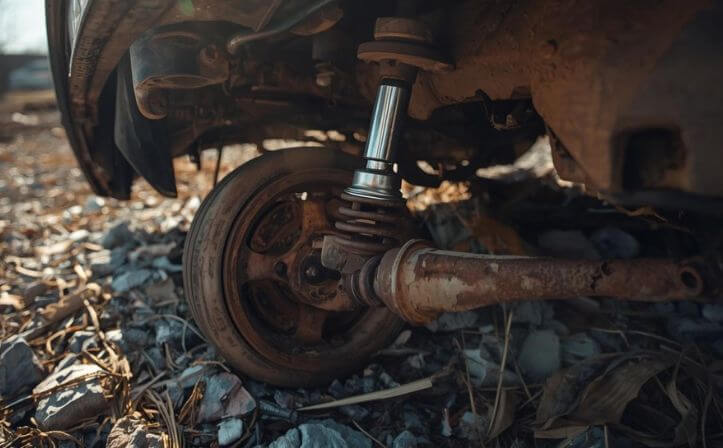
Your car’s suspension system might not get much attention, but it plays a crucial role in keeping your ride smooth and safe. Over time, like any moving part, suspension components can wear down, especially if you’ve skipped scheduled maintenance or your car has taken a hard hit.
When that happens, your vehicle will start giving you clues that something isn’t right. In this guide, we’ll walk you through the key signs of a failing suspension system in an automobile, so you know when it’s time for repair or replacement.
Whether you’re noticing unusual noises, handling car suspension issues, or uneven tire wear, these warning signals can help you catch problems early and keep your car driving safely.
What is a Car Suspension?
A car’s suspension is made up of springs, shocks, struts, and other parts that work together to keep your vehicle stable while smoothing out bumps in the road.
Think of it as the connection between your car’s body and its wheels, helping you ride more comfortably over potholes, uneven pavement, and other road imperfections.
Besides providing a smoother ride, a properly working suspension also keeps your tires in better contact with the road. This means it plays a big role in your car’s handling, steering, and overall safety. Without it, even small bumps could feel much harsher, and your control over the vehicle would be reduced.
Components of a Car Suspension
A car’s suspension system is made up of several key components, each playing an important role in providing a smooth ride and maintaining vehicle control. Understanding these parts can help you recognize problems early and ensure proper maintenance.
1. Leaf Spring
Leaf springs are long, flat pieces of metal stacked together, commonly found in trucks and older vehicles. They support the weight of the vehicle and help absorb shocks from bumps and uneven surfaces.
2. Coil Spring
Coil springs are helical springs that compress and expand to absorb road shocks. They’re widely used in modern cars for their ability to provide a smooth and consistent ride.
3. Shock Absorber
Shock absorbers control the movement of springs, preventing your car from bouncing excessively. They help stabilize the vehicle and maintain tire contact with the road.
4. Strut
Struts combine the functions of a shock absorber and a coil spring in one unit. They not only absorb shocks but also provide structural support for the suspension system.
5. Control Arm
Control arms connect the car’s frame to the wheels, allowing for controlled movement of the suspension. They help keep the wheels aligned and ensure smooth steering.
6. Joints, Bearings, and Bushings
These small components allow suspension parts to move freely while reducing friction and wear. They also help absorb vibrations, improving comfort and handling.
7. Sway Bar
The sway bar, or stabilizer bar, reduces body roll during cornering. It connects opposite wheels and helps keep the vehicle balanced on turns.
8. Wheels
Wheels are the contact point between the vehicle and the road. While not technically part of the suspension, their condition and alignment directly affect how the suspension performs.
9. Frame
The vehicle’s frame provides the foundation for the suspension system. A strong, intact frame ensures that all suspension components work together efficiently and safely.
Together, these components work as a system to absorb shocks, maintain stability, and provide a comfortable, controlled driving experience.
How To Tell if Your Car Suspension is Bad

Knowing the signs of a failing suspension is crucial for keeping your car safe and comfortable to drive. Suspension issues not only affect ride quality but can also compromise handling, braking, and tire life.
By paying attention to the warning signs, you can address problems early before they become costly or dangerous. Here are some common signs of bad suspension in a car to watch for:
1. Difficulty Steering
If your steering feels stiff, heavy, or unresponsive, it may indicate worn suspension components like bushings, ball joints, or control arms. This can make low-speed maneuvers, tight turns, and parking more challenging, and can even affect overall road safety.
2. Vehicle Pulling to One Side
A car that drifts or pulls to one side while driving may have misaligned suspension or damaged components. This not only impacts handling but can also lead to uneven tire wear, reducing the lifespan of your tires.
3. Excess and Uneven Tire Wear
Worn or misaligned suspension parts can cause tires to wear unevenly or develop bald spots faster than normal. Keep an eye on unusual tread patterns as they are often an early indicator of car suspension problems.
4. Leaking Around Shocks and Struts
Fluid leaks around shocks or struts mean these components are no longer absorbing bumps effectively. Driving with leaking shocks or struts can make rides rougher and affect your car’s stability, especially on uneven roads.
5. Unusual Noises
Clunking, knocking, or squeaking sounds while driving over bumps or around corners often signal loose, worn, or damaged suspension parts. Ignoring these noises can lead to further wear or even failure of critical components.
6. Car Bounces After a Speed Bump
If your car continues to bounce after hitting a bump, it usually means the shocks or struts are worn out and can’t control the motion of the springs. This reduces ride comfort and can compromise vehicle stability.
7. Vehicle Leaning to One Side
A car that leans noticeably to one side while parked or driving may have broken springs, uneven suspension wear, or other structural issues. This can affect handling and make the ride feel unstable.
8. Abnormal Swaying or Body Roll
Excessive swaying or body roll during turns often points to worn sway bars, bushings, or other stabilizing components. This can make cornering feel unsafe and increase the risk of losing control on sharp turns.
9. Diving or Squatting
If the front of your car dips forward when braking (diving) or the rear squats during acceleration, worn shocks or struts are usually the cause. This affects braking performance and acceleration stability.
10. Bottoming Out
When your vehicle bottoms out over bumps or dips, it may indicate weakened springs or other car suspension issues. Bottoming out can damage the undercarriage and reduce overall ride comfort.
By recognizing these warning signs early, you can prevent further damage, avoid costly repairs, and keep your car safe on the road.
4 Common Causes of Suspension Failure

Suspension problems can arise from a variety of driving conditions, but some causes are far more common than others. Understanding these can help you prevent damage and extend the life of your vehicle’s suspension.
1. Potholes and Road Hazards
Hitting potholes, curbs, or other road debris can put a huge amount of stress on your suspension. Struts, control arms, tie rod ends, and other components can bend, break, or become misaligned, leading to poor handling and uneven tire wear. Even a single hard impact can cause long-term damage if not addressed.
2. General Wear and Tear
Like any part of your car, suspension components naturally wear out over time. Shocks and struts lose their ability to absorb bumps, bushings break down, and ball joints wear out. These normal wear-and-tear effects can gradually reduce ride comfort and handling performance.
3. Overloaded Vehicles
Every vehicle has a weight limit for a reason. Frequently carrying heavy loads, towing trailers, or hauling oversized cargo puts extra strain on springs, shocks, and other suspension parts. Over time, this can accelerate wear and even lead to premature failure.
4. Poor Maintenance
Neglecting regular suspension checks can turn minor issues into major problems. Failing to monitor fluid leaks, alignment, or component health can result in costly repairs. Routine inspections and maintenance help catch small issues before they become dangerous or expensive.
How to Prevent Expensive Suspension Failure
Preventing suspension failure is much easier (and cheaper) than repairing it after damage occurs. By adopting a few simple habits and staying proactive, you can extend the life of your suspension and keep your car safe on the road.
1. Drive Sensibly
Avoid aggressive driving, sudden braking, and hitting potholes or curbs whenever possible. Smooth acceleration, careful cornering, and mindful driving over rough roads reduce stress on your suspension components and help prevent premature wear or damage.
2. Don’t Ignore the Warning Signs
Pay attention to unusual noises, uneven tire wear, difficulty steering, or excessive bouncing. Ignoring these early warning signs can lead to more serious vehicle suspension problems down the line. Acting quickly when something feels off can save you both money and hassle.
3. Regular Inspection and Maintenance
Routine suspension checks are key to catching minor issues before they become major repairs. Have a trusted mechanic inspect shocks, struts, bushings, springs, and other components regularly. Keeping your suspension well-maintained ensures a smoother ride, better handling, and longer-lasting parts.
Keep Your Ride Smooth: Book a Suspension Check Today!
A healthy suspension is key to a smooth, safe, and comfortable ride. By knowing the warning signs, understanding common causes, and practicing good maintenance habits, you can prevent costly repairs and keep your car handling its best.
If you’re unsure about your suspension’s condition or just want peace of mind, our Peace of Mind Inspection Services can help. We will check your vehicle thoroughly, spot potential issues early, and ensure your suspension is in top shape—so you can drive safely and confidently.