
Car Exhaust System: Everything You Need to Know About Your Car’s Exhaust System
Posted on December 26, 2025
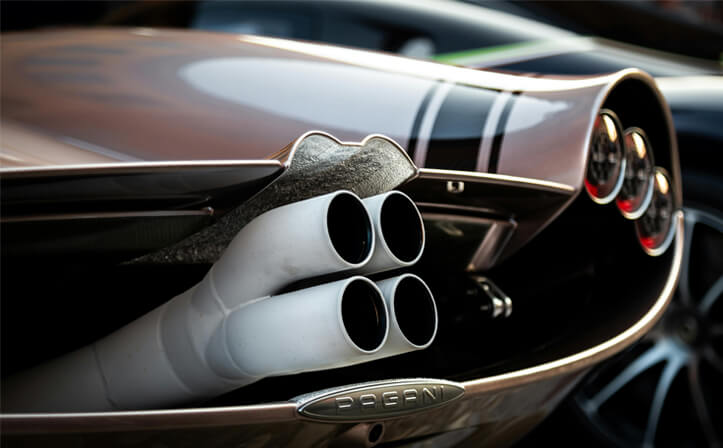
Your car’s exhaust system does a lot more than most people realize. It works quietly in the background to remove harmful gases, reduce engine noise, and even improve overall performance. Think of it as your car’s unsung hero, which keeps things running smoothly without drawing much attention to itself.
But when the exhaust system has issues, you’ll notice it pretty quickly. From strange noises and reduced fuel efficiency to unpleasant fumes, the signs can affect both your driving experience and your safety.
In this blog, we’ll walk you through everything you need to know about your car’s exhaust system: what it does, how it works, and the best ways to keep it in top shape.
What Is a Car Exhaust System?
A car’s exhaust system is a network of parts that work together to reduce harmful emissions, cut down engine noise, and improve performance. While the tailpipe is the part most people notice, the system actually runs along the entire length of your vehicle.
It starts at the engine with the exhaust manifold, which collects gases from the engine’s cylinders and channels them into one pipe. From there, the catalytic converter helps turn those harmful gases into less toxic ones. The gases then move through the muffler, which reduces the noise, and finally exit through the tailpipe.
Exhaust systems have come a long way since the first muffler was patented in 1897 by American inventor Milton Reed. Back then, they were simple designs mainly used to keep cars quieter. Today’s exhaust systems are far more advanced, built to meet emissions standards, boost engine efficiency, and help create a cleaner environment.
Automobile Exhaust System Components
While designs may differ between vehicles, most exhaust systems include the same key parts that work together to keep your car running clean and quiet. Here’s a breakdown of the main components:
1. Exhaust Manifold
Acting like a funnel, the exhaust manifold gathers gases from the engine cylinders and directs them into a single pipe. Without it, gases would escape unevenly and affect performance.
2. Engine Cylinders
The cylinders are where the engine’s power is born. Inside, fuel and air mix, ignite, and create the combustion that drives your car. This combustion also produces gases that the exhaust system must filter and release safely.
3. Catalytic Converter
One of the most important parts for reducing pollution, the catalytic converter transforms toxic emissions like carbon monoxide into less harmful substances, including carbon dioxide and water vapor.
4. Oxygen Sensors
Located throughout the system, these sensors measure the level of oxygen in the exhaust gases. They send signals to the engine’s computer, which adjusts the air-fuel mixture for better efficiency and lower emissions.
5. Exhaust Pipes
These pipes connect the system’s parts, carrying gases along their path from the engine to the tailpipe. Strong, heat-resistant materials are used to withstand the high temperatures of the gases.
6. Muffler and Resonator
Together, these components reduce and refine the noise created by the engine. The muffler softens the overall sound, while the resonator adjusts frequencies to create a smoother exhaust note.
7. Tailpipe
The final piece of the system, the tailpipe, is where the treated gases exit into the atmosphere. It’s the only visible part of the system on most cars, but it’s the end of a complex process happening underneath your vehicle.
How Does an Exhaust System in Car Work
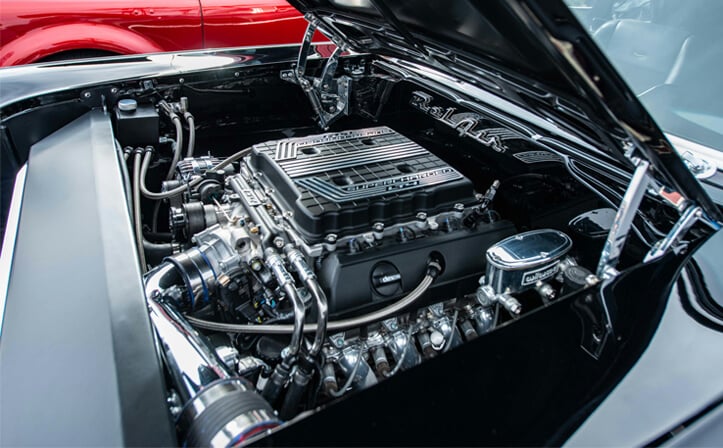
Your car’s exhaust system is designed to channel harmful gases away from the engine, convert them into safer emissions, reduce noise, and release the gases through the tailpipe.
As the engine burns fuel in the cylinders, it creates exhaust gases that travel through the manifold, catalytic converter, pipes, muffler, and finally out the tailpipe.
Along the way, harmful pollutants are filtered, oxygen levels are monitored for efficiency, and noise is reduced. This system plays a key role in both your car’s performance and the environment.
However, like any part of your vehicle, the exhaust system can develop problems:
1. Leaks
Over time, exhaust pipes and joints may weaken, causing leaks. This can be dangerous because it allows carbon monoxide and other harmful gases to escape into the cabin. It can also cause the oxygen sensors to send incorrect readings, leading to reduced performance or a check engine light.
2. Obstruction
If part of the exhaust system becomes clogged—whether from impact damage or engine issues—it can create back pressure that “chokes” the engine. Symptoms include poor acceleration, hard starting, or engine warning lights.
3. Rust
Since exhaust systems are constantly exposed to moisture, salt, and heat, rust is a common issue. Corrosion can weaken pipes and components, leading to holes, reduced efficiency, and eventual failure if not repaired.
4. Loose Components
Exhaust parts are held in place by hangers and shields. If these become damaged or loosened, you might hear rattling, clunking, or banging noises under your car. While it may start as an annoyance, loose parts can cause further damage if ignored.
Keeping your exhaust system in good condition means staying alert to these issues and addressing them early before they affect your safety and your car’s performance.
Signs Something is Wrong with Your Exhaust System
Your exhaust system on car is built to keep harmful gases out of the cabin, reduce noise, and help your engine run smoothly. But when something goes wrong, the warning signs are often hard to miss. Paying attention to these symptoms can save you from bigger problems down the road.
1. Toxic Fumes
If you notice a burnt smell while driving or see smoke coming from the tailpipe, it could mean the exhaust system isn’t doing its job of safely removing harmful gases like carbon monoxide. This isn’t just a car problem; it’s a serious health risk that requires immediate attention.
2. Loud Noises
A muffler that isn’t working properly can turn your ride into a noisy experience. Clanking, rattling, or a deep droning sound usually point to a broken muffler, loose parts, or damaged pipes. Aside from being unpleasant, excessive noise can even land you a ticket in some areas.
3. Check Engine Light
Modern vehicles rely on oxygen sensors and emission controls that are part of the exhaust system. If there’s a leak, a clogged catalytic converter, or faulty sensors, your check engine light may turn on. Don’t ignore it, this warning could indicate problems affecting both performance and emissions.
4. Your Fuel Efficiency Is Taking a Hit
If your car seems to be burning more gas than usual, the exhaust system could be to blame. A damaged muffler or leak can throw off the balance of backpressure in the engine, forcing it to work harder and use more fuel.
Car Exhaust Maintenance for a Longer-Lasting System
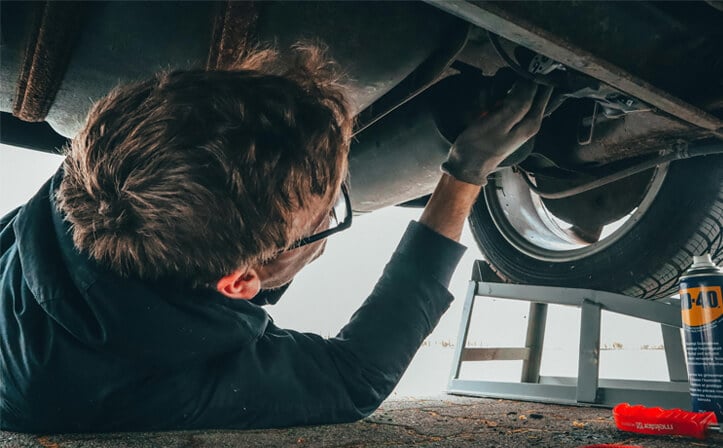
Just like any other part of your vehicle, your exhaust system needs regular care to keep it working efficiently and to prevent costly repairs down the road. Staying on top of maintenance not only protects your engine’s performance but also keeps harmful emissions in check. Here are some simple but effective ways to extend the life of your exhaust system:
1. Check for Leaks
Pay attention to unusual smells, visible smoke, or hissing sounds coming from underneath your car. Exhaust leaks can be dangerous since they may allow toxic fumes into the cabin, so catching them early is key.
2. Replace Worn-Out Parts
Components like mufflers, pipes, or hangers don’t last forever. If you spot rust, holes, or damage, replacing the parts promptly will prevent further strain on the system.
3. Schedule Routine Inspections
Having your exhaust system inspected at least once a year is a smart move. A mechanic can spot rust, corrosion, or loose parts before they turn into bigger problems, saving you money in the long run.
4. Keep Sensors Clean
Oxygen sensors play a crucial role in helping your engine burn fuel efficiently. If they get dirty or damaged, they can cause poor fuel economy and trigger the check engine light. Keeping them clean and replacing them when needed ensures your car runs smoothly.
By keeping up with these maintenance steps, you’ll help your exhaust system last longer, your car perform better, and your driving experience stay safe and worry-free.
Drive Smarter: Stay Ahead with Proper Exhaust Care
Your car’s exhaust system may not be something you think about every day, but it plays a huge role in keeping your vehicle safe, efficient, and environmentally friendly.
From filtering harmful gases to keeping your engine running smoothly, a well-maintained exhaust system is essential for both performance and safety. That’s why staying on top of regular inspections and fixing small issues before they turn into big problems is so important.
At CarHub North York Chrysler, our expert technicians are here to help with all your car maintenance needs, including exhaust system care. Whether it’s checking for leaks, replacing worn parts, or keeping your sensors working properly, we’ll make sure your vehicle stays in top shape. Contact us now.