
Car Electric Power Steering System: Function and Benefits
Posted on December 30, 2025

When it comes to modern driving, comfort and safety go hand in hand, and that’s where the Electric Power Steering (EPS) system makes a big difference. Unlike traditional hydraulic systems, the EPS system in cars uses advanced electronic technology to give drivers smoother, more precise control over their vehicles.
Since its introduction in the early 90s, EPS has become a standard feature in most cars on the road today, and for good reason. It offers improved reliability, enhances passenger safety, and delivers a driving experience that feels effortless and responsive.
In this blog, we’ll break down how the car's electric steering system works and explore the key benefits it brings to both drivers and passengers.
What is an Electric Power Steering System (EPS)?
An Electric Power Steering System, or EPS, is a modern steering assist technology designed to make driving easier, safer, and more comfortable. Without steering assist, turning the wheel (especially at low speeds like when parking) would feel heavy and tiring, leading to faster driver fatigue and reduced safety.
Car EPS takes the effort out of steering by using an electric motor to provide assistance, making the wheel smoother and more responsive in all driving conditions.
In the past, most vehicles used hydraulic power steering, which relied on fluid pressure to help turn the wheels. While effective, hydraulic systems require more maintenance and could reduce fuel efficiency.
Today, many newer cars use EPS instead, as it offers the same benefits with added advantages like greater reliability, lower maintenance needs, and improved fuel economy.
4 Types of Automotive Electric Power Steering
The Electric Power Steering (EPS) system comes in different types, mainly categorized by where the assist motor is located. Each type is designed to fit specific vehicle needs, from compact cars to larger vehicles, offering varying levels of performance and steering feel.
Here are the four main types of EPS systems:
1. Column Assist Type Electric Power Steering (C-EPS)
In this system, the assist unit is connected directly to the steering column. It’s a compact design often used in smaller cars, where space is limited. C-EPS provides quick steering response and is cost-effective, making it a popular choice for light vehicles.
2. Pinion Assist Type Electric Power Steering (P-EPS)
With P-EPS, the assist unit is mounted on the pinion shaft of the steering system. This setup is also commonly found in small to medium-sized cars. It delivers a natural steering feel and smooth operation, striking a good balance between comfort and control.
3. Dual-Pinion Assist Type Electric Power Steering (DP-EPS)
DP-EPS features a second pinion shaft that connects the assist unit directly to the steering gear. This design improves steering precision and handling, especially in sporty or performance-oriented vehicles. It allows for better feedback and stability while driving at higher speeds.
4. Rack Assist Type Electric Power Steering (R-EPS)
In R-EPS, the assist motor is attached directly to the steering rack. This system is typically used in mid-sized and larger vehicles, including SUVs and trucks, because it provides stronger steering support. R-EPS is known for its durability, consistent performance, and ability to handle heavier loads.
Electric Power Steering Components

The Electric Power Steering (EPS) system is made up of several important parts that work together to provide precise and reliable steering assistance.
Each component plays a specific role in ensuring that the driver gets the right amount of support depending on speed, driving conditions, and steering input. Here’s a breakdown of the main components:
1. Electric Motor
The electric motor is the heart of the EPS system. It generates the power needed to assist with steering, reducing the effort required from the driver. Controlled by the ECU, the motor provides more help at low speeds and less at higher speeds, ensuring smooth and balanced steering.
2. Steering Position Sensor
This sensor detects the exact angle and position of the steering wheel. The data is sent to the ECU, which uses it to calculate how much assistance the motor should provide at any given moment.
3. Vehicle Speed Sensor
The vehicle speed sensor monitors how fast the car is moving. At low speeds, the system delivers greater assistance for easier maneuvering, while at higher speeds, it reduces assistance for better stability and control.
4. Electronic Control Unit (ECU)
Often called the “brain” of the EPS, the ECU gathers data from sensors and decides how much power the motor should deliver. It ensures the system adapts in real-time to different driving conditions.
5. Rack and Pinion or Electric Gearbox
This is the mechanical part of the system that translates the rotational motion from the steering wheel into the movement needed to turn the wheels. Depending on the design, EPS can use a rack-and-pinion system or an electric gearbox.
6. Wiring and Connectors
Wiring and connectors link all EPS components together, ensuring seamless communication between sensors, the ECU, and the motor. Reliable wiring is crucial for accurate and responsive steering assistance.
7. Torque Sensor
The torque sensor measures how much force the driver applies to the steering wheel. This helps the system determine exactly how much assistance to add, making steering feel natural and effortless.
8. Fuses and Relays
Fuses and relays protect the system from electrical overloads or short circuits. They ensure that the EPS remains safe and functional under all operating conditions.
Together, these components form a smart, efficient system that adapts to your driving style and environment, delivering the right balance of comfort, safety, and control.
How Does the Electric Power Steering (EPS) Work?
Electric Power Steering (EPS) works by combining input from sensors with real-time data processing to deliver precise steering assistance when needed. Unlike traditional hydraulic systems, EPS relies on an electric motor controlled by an ECU (Electronic Control Unit), which continuously adjusts to driving conditions.
Here’s a step-by-step look at how it functions:
1. Steering Position Detection
The steering position sensor monitors the angle and movement of the steering wheel. This information is immediately sent to the ECU, helping the system understand the driver’s steering intentions.
2. Vehicle Speed Detection
A vehicle speed sensor measures how fast the car is moving. The ECU uses this data to adjust assistance levels: more support at low speeds for easy maneuvering, and less at high speeds for greater stability.
3. Torque Detection on the Steering Wheel
The torque sensor calculates the amount of force the driver applies to the steering wheel. This ensures that the system provides just the right amount of extra power, making steering effortless without feeling disconnected.
4. Data Processing by the ECU
The ECU acts as the brain of the EPS. It gathers data from the steering position, torque, and vehicle speed sensors, then quickly processes this information to determine how much motor assistance is required.
5. Electric Motor Control
Based on the ECU’s calculations, the electric motor activates and delivers the needed torque to assist steering. The level of force applied depends on both the driving conditions and the driver’s input.
6. Transmission of Torque to the Steering Wheel
The motor’s torque is transferred through the steering mechanism, typically via a rack-and-pinion or electric gearbox system. This makes the steering wheel easier to turn, with the assistance feeling smooth and natural.
7. Adjustment Based on Vehicle Speed
At lower speeds, such as during parking or city driving, EPS provides greater assistance for light, easy steering. At higher speeds, the system reduces assistance to give drivers a firmer, more controlled feel on the road.
Functions and Benefits of Electric Power Steering System
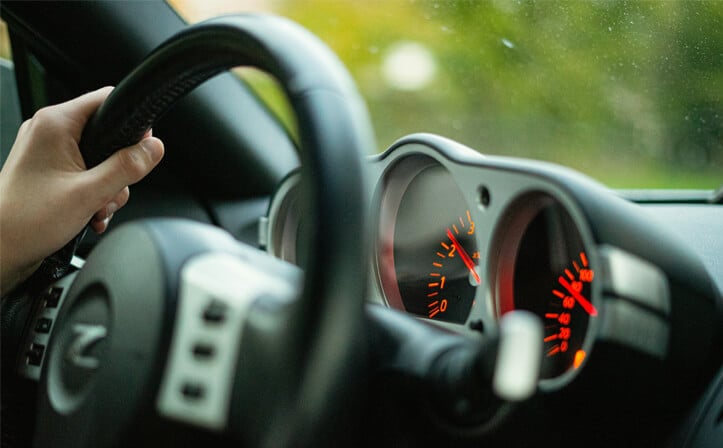
The Electric Power Steering (EPS) system does more than just make the steering wheel lighter—it plays a key role in enhancing safety, efficiency, and overall driving comfort. By replacing traditional hydraulics with an electric motor, EPS improves how the vehicle responds to driver input and road conditions.
Here are the main functions and benefits:
1. Steering Assistance
The primary function of EPS is to provide steering support through an electric motor. This makes it easier to turn the wheel, especially during low-speed maneuvers like parking or navigating tight spaces, reducing driver fatigue.
2. Assist Variability
Unlike hydraulic systems, EPS can adjust the level of assistance based on speed, steering input, and road conditions. At low speeds, the system delivers more assistance for effortless control, while at higher speeds it reduces assistance for greater stability and precision.
3. Energy Efficient
EPS only uses power when steering assistance is required. Unlike hydraulic systems that constantly draw energy from the engine, the electric motor activates on demand, leading to less wasted energy and greater overall efficiency.
4. Electronic Integration
Because it’s fully electronic, EPS can integrate seamlessly with advanced driver-assist systems like lane-keep assist, automated parking, and stability control. This integration not only improves safety but also supports semi-autonomous driving features.
5. Ease of Repair and Maintenance
EPS eliminates hydraulic components like pumps, hoses, and fluid, which often require maintenance or replacement. With fewer parts to service, it’s easier and less costly to maintain in the long run.
6. Responsive to Road Conditions
The system adapts quickly to different driving conditions. EPS can automatically adjust to factors like crosswinds or uneven road surfaces, keeping the steering stable and consistent, which improves driver confidence and comfort.
7. Fuel Saving
Because the motor works only when needed, EPS helps reduce overall fuel consumption. Even small improvements in efficiency can make a noticeable difference in fuel economy, particularly in city driving where frequent steering inputs are required.
What to Do When the Electric Power Steering System Fails
If your Electric Power Steering (EPS) system fails while driving, the most important step is to stay calm and pull over safely. Without EPS, your steering wheel will feel much heavier, especially at low speeds, making it harder to control the car.
Gently press the brakes, steer with steady force, and guide the vehicle away from traffic to a safe spot on the roadside. Once stopped, check if a warning light is on and restart the engine, as some EPS issues can be temporary and reset with a restart.
If the problem continues, it’s best not to keep driving, as steering without assistance can be risky. Call for roadside assistance or have your vehicle towed to a repair shop. Regular maintenance and prompt attention to steering warnings can help prevent unexpected EPS failures and keep your vehicle safe to drive.
Think Your EPS Needs a Check? Visit CarHub North York Chrysler Today
The EPS system has transformed the way we drive, offering smoother handling, better fuel efficiency, and improved safety compared to older hydraulic systems.
From effortless parking to stable highway driving, EPS makes every journey more comfortable and controlled. It’s one of those features that you may not think about often—but you’ll definitely notice if it stops working.
To keep your steering system and the rest of your vehicle running at their best, regular maintenance is key. At CarHub North York Chrysler, our expert service team is here to help with inspections, repairs, and all your car care needs. Contact us today.